Introduction
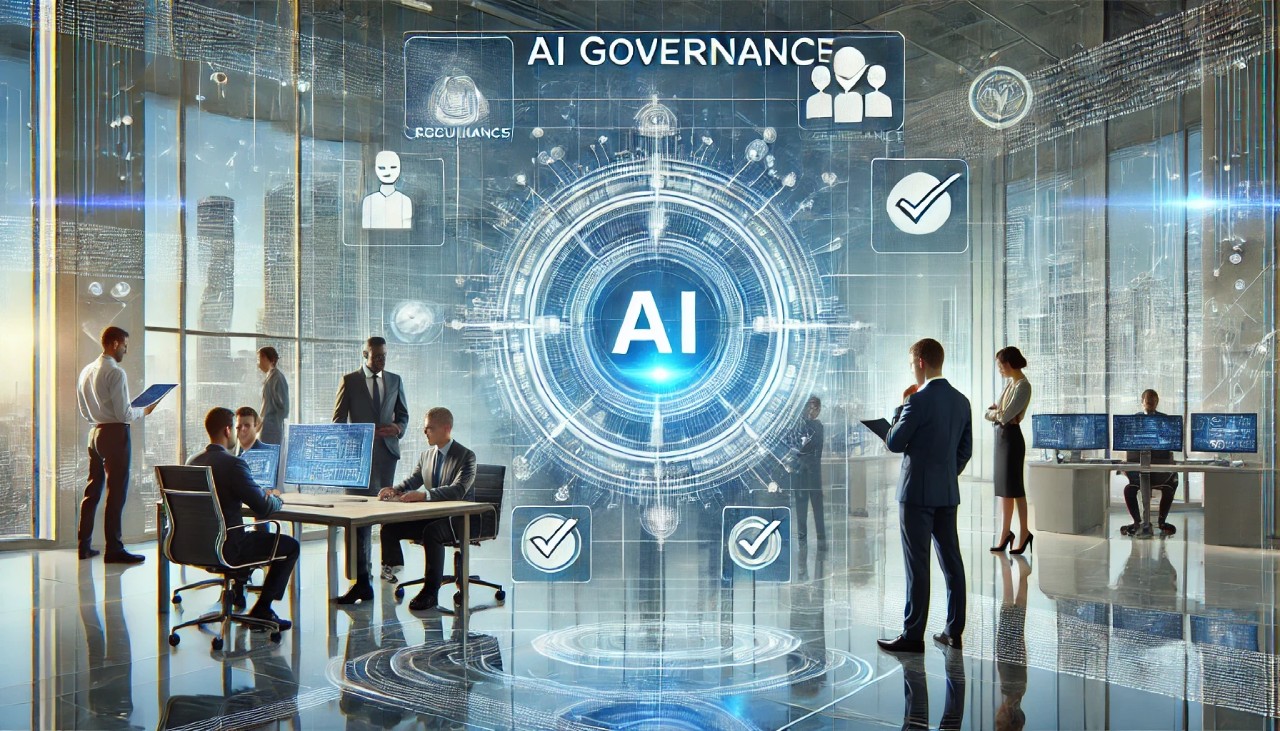
Throughout the history of organizations, power has always been tied to decision-making.
Whoever controls decisions controls the organization.
In traditional management structures, this relationship is clear:
- executives define direction
- managers coordinate execution
- employees carry out tasks
Power is defined by:
- position
- authority
- control over resources
However, in the age of AI, this structure is fundamentally changing.
For the first time:
decision-making is no longer exclusively human
Systems are now capable of:
- analyzing massive amounts of data
- detecting hidden patterns
- recommending optimal actions
- and in some cases, triggering execution
This creates a fundamental shift:
? from
managing people
? to
governing decision systems
And at the center of this shift lies:
?
AI Governance
https://isoftco.com/en/autonomous-organization-when-the-system-starts-to-run-itself/
1. The Shift of Power
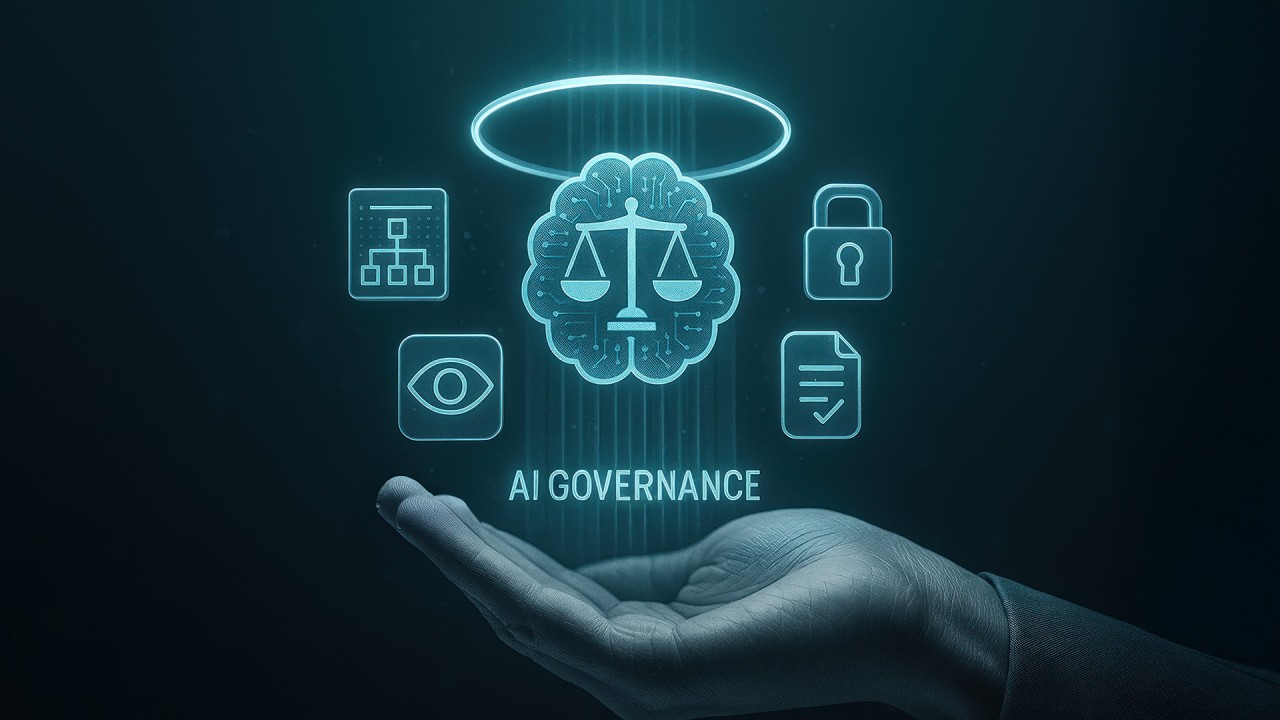
Power in organizations is moving.
Traditional model
Power resides in:
- decision-makers
- information holders
- process controllers
Emerging model
Power shifts toward:
The most powerful role is no longer:
? the person who makes decisions
But:
?
the person who designs how decisions are made
https://isoftco.com/en/the-ceos-project-governance-framework/
2. AI as a Decision-Making Entity

AI has evolved beyond being a tool.
It is now:
?
a participant in decision-making
It can:
- process data at scale
- identify patterns beyond human perception
- predict outcomes
- recommend actions
In many cases:
? AI decisions are faster and more consistent than human decisions
This raises a fundamental question:
If AI participates in decisions, who governs AI?
3. The Risks of Uncontrolled Intelligence

Without governance, AI introduces systemic risks.
3.1 Lack of Explainability
Decisions are made, but:
? no one understands why
3.2 Data Bias
AI reflects its data.
If the data is flawed:
? the system becomes systematically wrong
3.3 Misaligned Optimization
AI optimizes for defined objectives.
If objectives are wrong:
? outcomes become dangerous
3.4 Loss of Control
When AI can:
Without constraints:
? organizations lose control of the decision chain
The most dangerous scenario is not failure.
It is:
a system that works — but is not understood
4. Defining AI Governance
AI Governance is not compliance.
It is:
the system that controls how AI participates in decision-making
It answers:
- What decisions can AI make?
- What data does it use?
- Where do humans intervene?
Without clear answers:
? organizations are not using AI
? they are being led by it
5. The Three Layers of AI Governance
5.1 Data Governance
Ensuring:
- data integrity
- data quality
- controlled data sources
5.2 Decision Governance
Defining:
- automated decisions
- assisted decisions
- human-controlled decisions
5.3 Behavior Governance
Controlling:
- system actions
- boundaries
- fail-safe mechanisms
6. AI Governance in Autonomous Organizations
As organizations become autonomous:
? governance becomes critical
The more autonomous the system:
? the more important governance becomes
7. Redefining Management
Management shifts from:
? managing people
to:
? governing decision systems
8. The New Strategic Battlefield
Competition shifts toward:
?
who governs AI better
Conclusion
AI is not just a technological shift.
It is a shift in power.
The winners will not be those who use AI the most
but those who govern it the best
Đỗ Hữu Binh
CEO, ISOFT
This article is part of a professional series analyzing construction project management and cost control strategies.
© 2026 Đỗ Hữu Binh. All rights reserved.
Any citation or reuse of this content must clearly state the source and author.