One of the most common concerns in today’s business world is:
“Will AI replace managers?”
This question appears in boardrooms, conferences, and internal discussions across industries.
But the real answer is far more interesting:
AI will not replace managers.
It will expose them.
In the age of data and artificial intelligence, the issue is not whether AI can take over managerial roles.
The real issue is:
AI makes management capability transparent.
The Fear: AI Will Replace Managers
The rapid advancement of AI has led many to believe:
- AI can automate decisions
- AI can analyze data better than humans
- AI can optimize operations
This leads to a common assumption:
👉 managers will become obsolete
But this assumption ignores a critical fact:
AI does not run organizations. Management systems do.
AI Does Not Replace — It Amplifies
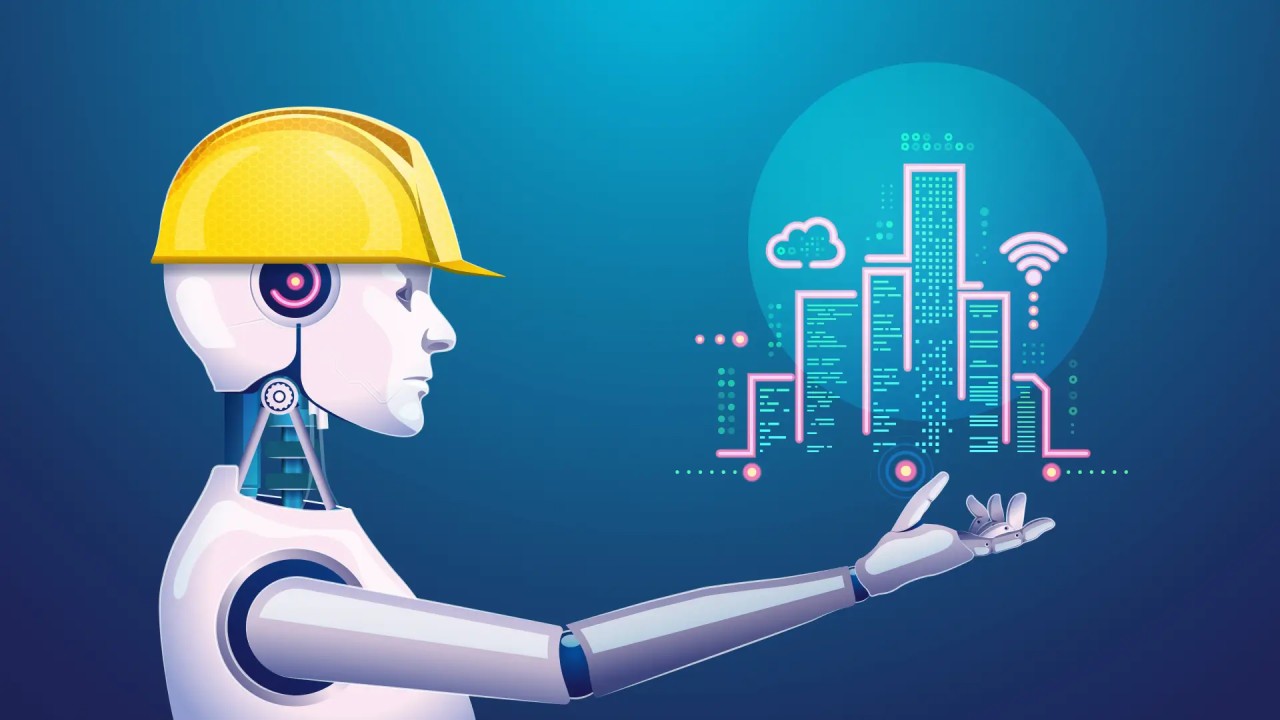
AI does not replace managers.
It amplifies how managers operate.
- Strong managers → become more effective
- Weak managers → become more exposed
Why?
Because AI depends on:
- structured data
- clear processes
- well-defined systems
If these elements are missing, AI cannot function properly.
And when AI is introduced, those gaps become visible.
What Was Previously Hidden
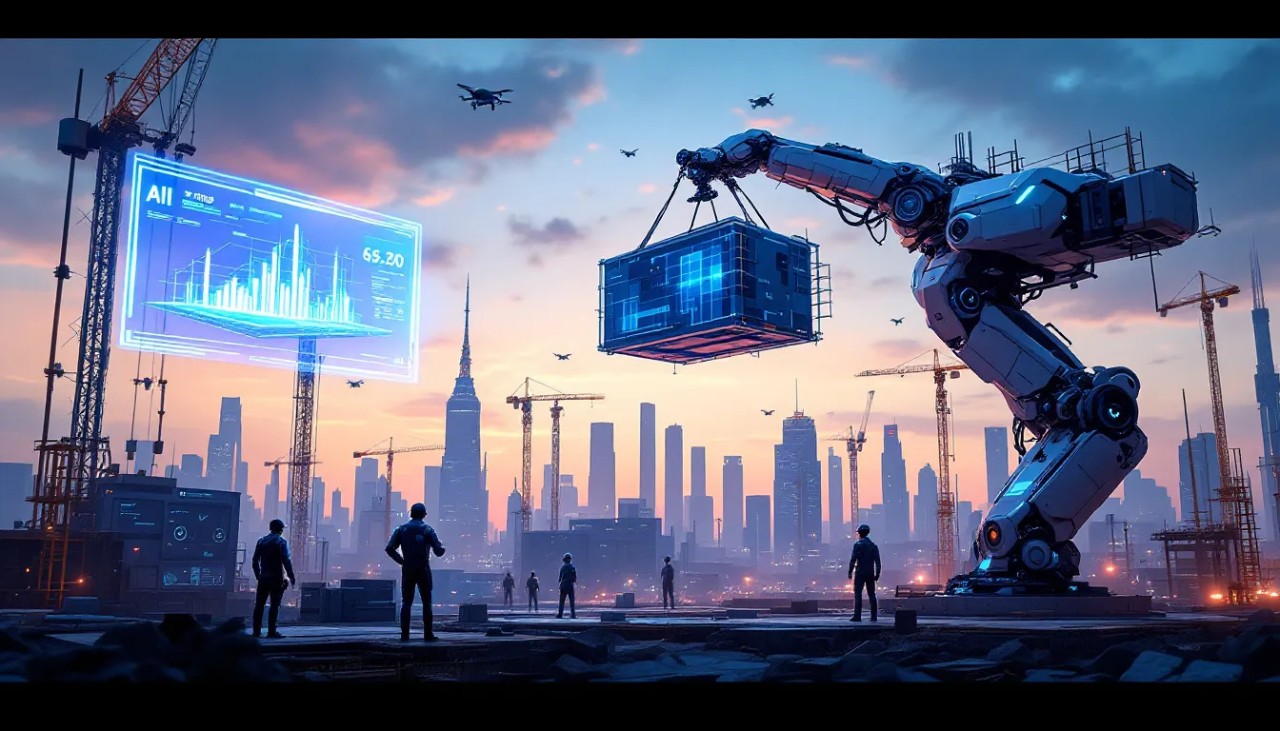
In traditional management environments, many issues can remain hidden:
- intuition-based decision-making
- lack of operational control
- poor visibility into execution
- reliance on aggregated reports
These issues are often masked by:
- delayed information
- lack of transparency
- incomplete reporting systems
But when organizations adopt:
- execution data
- digital operations
- decision infrastructure
these blind spots disappear.
Decision Infrastructure: The Next Competitive Advantage for Modern Organizations
AI Makes Management Transparent
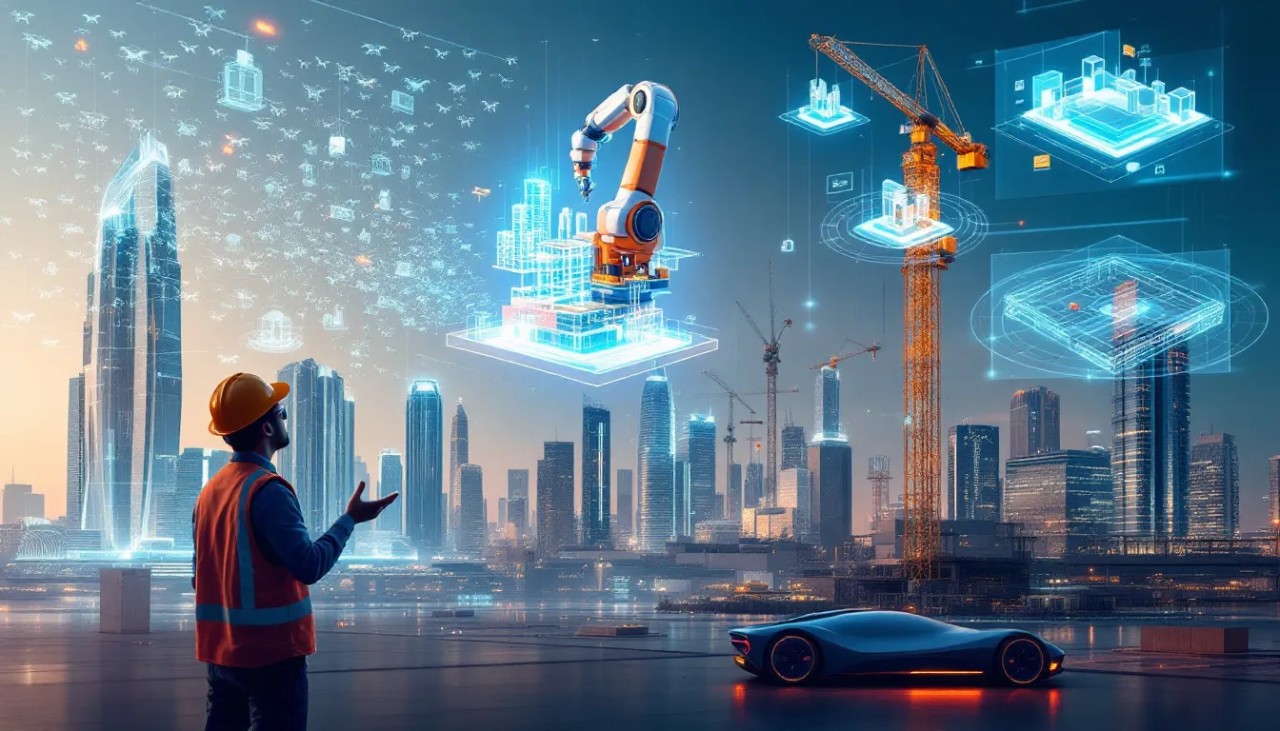
When operational data becomes visible and AI is applied:
- progress is tracked in real time
- performance is continuously measured
- decisions become observable
Management is no longer based on perception.
It becomes measurable and transparent.
In this environment:
- great managers stand out
- weak managers cannot hide
From Experience-Based to System-Based Management

In the past, many managers relied on:
- personal experience
- intuition
- reactive problem-solving
In the AI era, this is no longer sufficient.
Managers must transition to:
👉 designing data-driven operational systems
This includes:
- defining structured processes
- standardizing execution
- ensuring data capture
- making decisions based on real data
The New Role of Managers
In the AI era, the role of managers fundamentally changes.
They are no longer:
- task supervisors
- report collectors
- problem fixers
Instead, they become:
1. Designers of operational systems
2. Architects of organizational structure
3. Builders of decision infrastructure
Execution Data + AI = Autonomous Organizations
When execution data is fully captured and combined with AI:
- systems can detect issues
- systems can suggest actions
- systems can support decisions
This leads to a new model:
👉 Autonomous Organization
In this model:
- humans are not replaced
- their roles are elevated
The New Competitive Advantage
In the future, competitive advantage will not come from:
- scale
- capital
- workforce
It will come from:
👉 the ability to design and operate intelligent systems
AI is just a tool.
The real differentiator is:
👉 who understands the system — and who does not
Conclusion
AI will not replace managers.
But it will do something far more impactful:
👉 it will expose them
In a world where data is transparent and decisions are supported by AI:
- strong managers will become exceptional
- weak managers will be revealed
This shift will redefine not only how organizations operate,
but how we understand management in the modern era.
Đỗ Hữu Binh
CEO, ISOFT
This article is part of a professional series analyzing construction project management and cost control strategies.
© 2026 Đỗ Hữu Binh. All rights reserved.
Any citation or reuse of this content must clearly state the source and author.