
Construction Leadership Truth #3
You Don’t Have a Software Problem. You Have a Process Problem.

In recent years, many construction companies have invested in software.
Project management tools. ERP systems. Cost control platforms.
The expectation is clear:
Better tools → better performance.
But in many cases, the results are disappointing.
- Systems are underutilized
- Teams continue to rely on Excel
- Data remains fragmented
- Problems persist
This leads to a common conclusion:
“The software doesn’t work.”
But in reality, the issue is rarely the software.
It is the process.
https://isoftco.com/en/the-execution-illusion-in-construction/1. Software Cannot Fix Undefined Processes
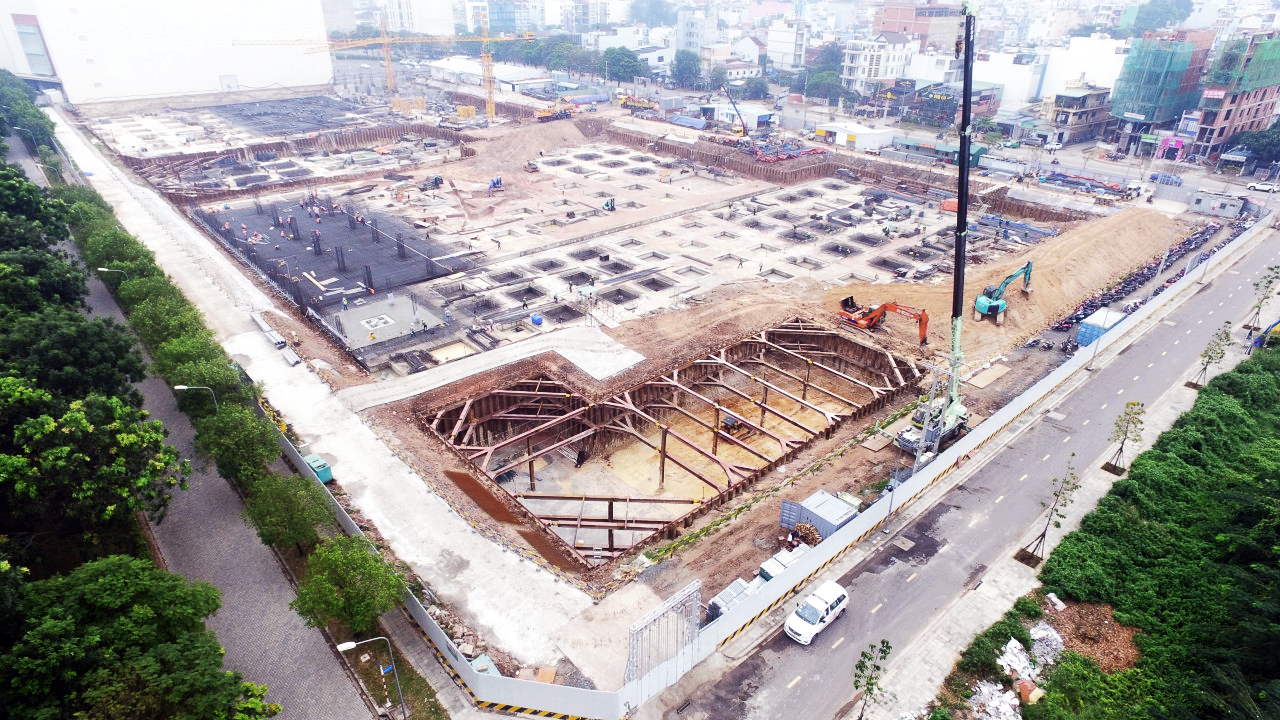
Software is designed to support processes.
But in many construction companies:
- Processes are informal
- Workflows vary between projects
- Responsibilities are unclear
When there is no consistent process:
Software has nothing to structure.
It becomes a tool without a system.
https://isoftco.com/en/why-construction-projects-always-run-late/2. Digitalizing Chaos Does Not Create Control
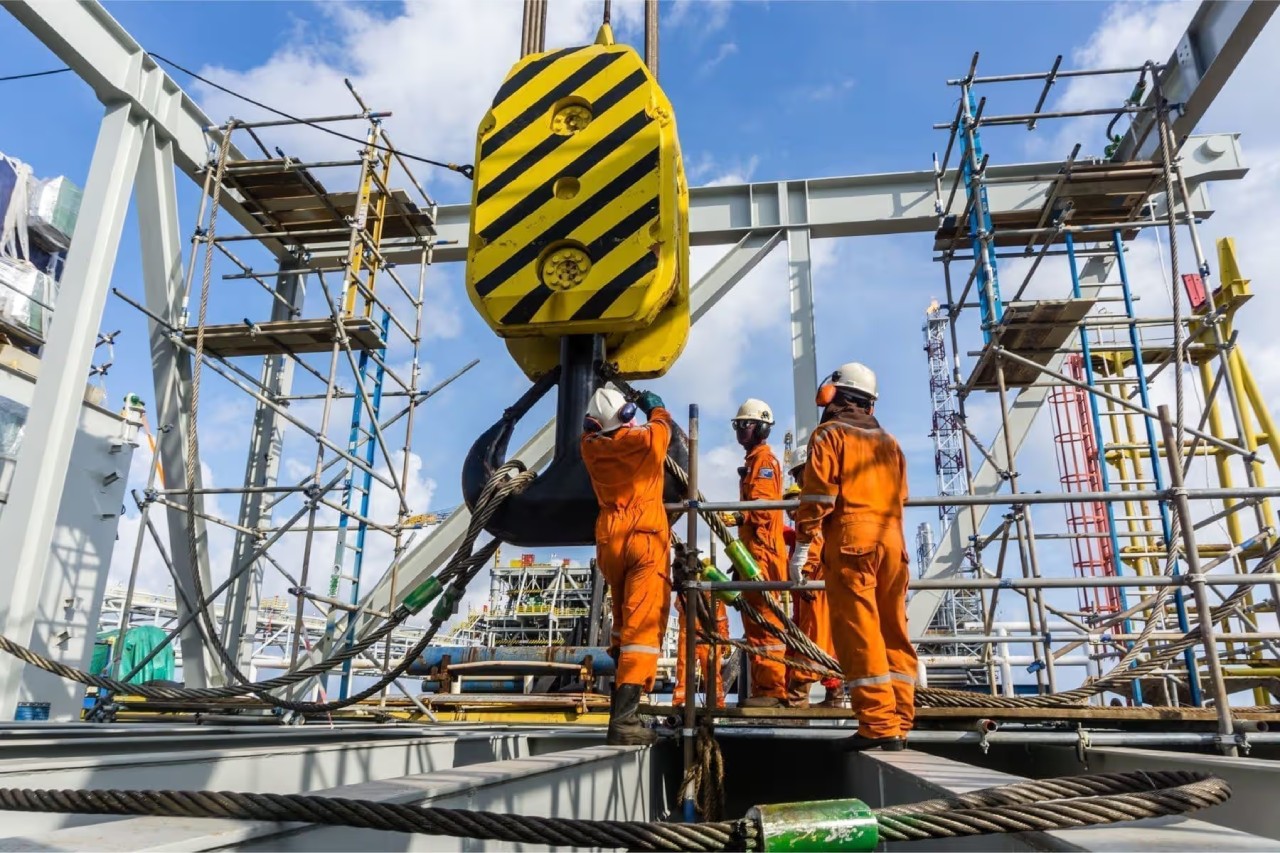
Many organizations attempt to “digitize” their operations without first defining how those operations should work.
As a result:
- Existing inefficiencies are replicated
- Complexity increases
- Data becomes harder to manage
In other words:
Digital transformation without process design simply turns manual chaos into digital chaos.
3. Why Teams Resist Software

Resistance to software is often misunderstood as a “people problem.”
In reality, it is usually a process problem.
When processes are unclear:
- Teams interpret workflows differently
- Data input becomes inconsistent
- Outputs are unreliable
This creates frustration.
And teams revert to familiar tools like Excel.
4. The Missing Layer: Process Design
Before implementing any system, construction companies need:
- Clearly defined workflows
- Standardized project structures
- Defined roles and responsibilities
- Consistent data inputs
This is the layer that connects operations to systems.
Without it, software cannot deliver value.
5. From Tools to Systems
To move forward, companies must shift from:
Buying tools → Designing systems
This means:
- Defining processes first
- Then aligning software to those processes
- Ensuring consistency across projects
Platforms like IBOM are effective because they are built around structured processes, not just features.
6. The Leadership Question That Matters
The real question is not:
“Which software should we use?”
But:
“Do we have a process that software can actually support?”
Because:
Software amplifies what already exists.
If the process is weak → software exposes the weakness. If the process is strong → software scales it.
Đỗ Hữu Binh CEO, ISOFT
This article is part of a professional series analyzing construction project management and cost control strategies.
© 2026 Đỗ Hữu Binh. All rights reserved. Any citation or reuse of this content must clearly state the source and author.