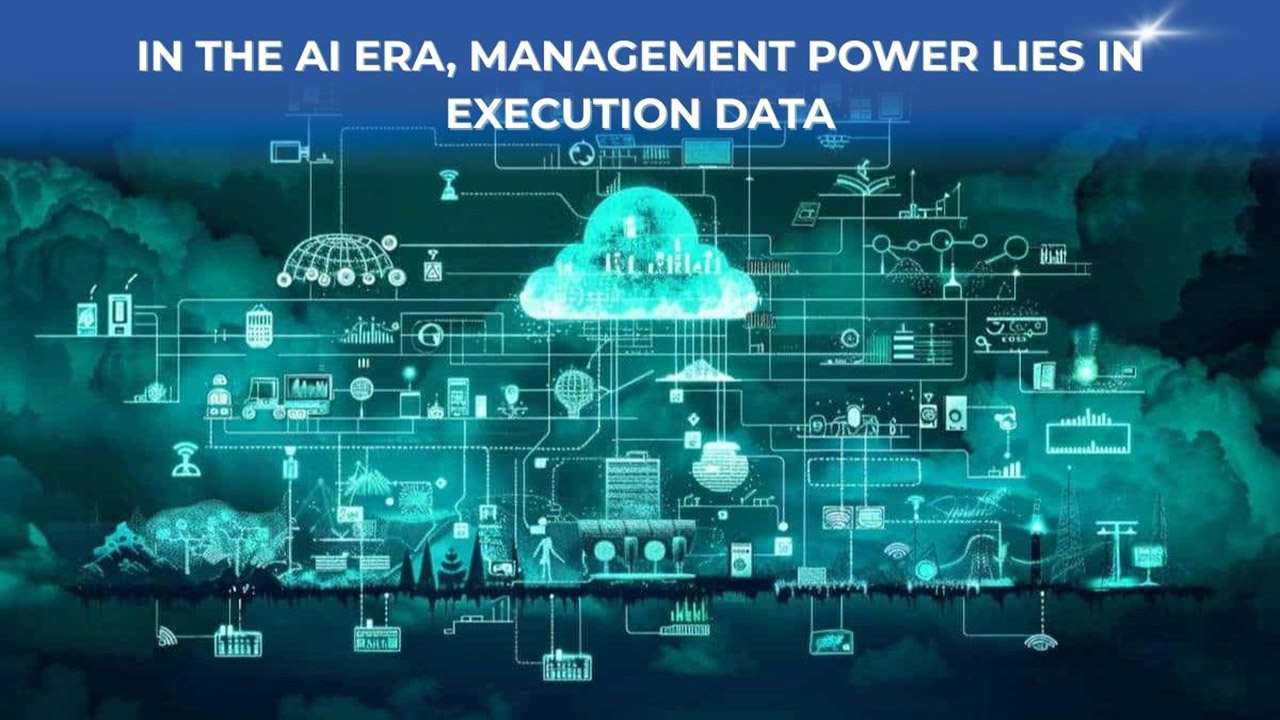
Digital transformation has become one of the most discussed topics in modern business. Companies invest heavily in ERP systems, workflow tools, collaboration platforms, and dashboards. Yet, despite all these investments, many leaders quietly admit one thing:
“We bought the tools, but nothing really changed.”
The problem is not technology.
The problem is execution.
The Illusion of Progress

When a company launches a digital transformation initiative, the first visible changes are usually software deployments. New systems are introduced. Teams are trained. Dashboards are created. From the outside, it looks like progress.
But inside the organization, daily operations often remain the same:
– Tasks are still tracked manually
– Deadlines are missed
– Reports arrive late
– Managers chase updates instead of making decisions
Digital tools are in place, but execution behavior has not changed.
Why Execution Is the Real Bottleneck

Execution is not about having information. It’s about making sure work actually gets done, on time, by the right people.
Most digital transformation projects fail because they:
– Digitize processes without changing accountability
– Automate reports without improving discipline
– Add tools without clarifying ownership
As a result, companies end up with digital chaos instead of digital control.
Why Quantity Changes Break Down at Scale in Construction Projects
Digital Transformation Needs an Operating System

Successful digital transformation requires more than tools. It requires a digital operating system that:
– Clearly defines tasks and responsibilities
– Tracks progress in real time
– Creates transparency across teams
– Supports managers in decision-making, not micromanagement
This is where many companies struggle. Traditional systems are good at storing data, but weak at supporting day-to-day execution.
The Rise of AI in Execution Management

This is why AI-powered work assistants are becoming essential.
An AI assistant does not replace managers. Instead, it:
– Reminds teams of deadlines
– Follows up on unfinished work
– Highlights execution risks early
– Ensures accountability without constant human chasing
Execution becomes systematic, not personal.
Final Thought

Digital transformation fails when companies mistake digitalization for execution excellence.
Technology is only powerful when it changes how people work every day.
The future of digital transformation belongs to organizations that focus less on tools — and more on execution.
Đỗ Hữu Binh
CEO, ISOFT
This article is part of a professional series analyzing construction project management and cost control strategies.
© 2026 Đỗ Hữu Binh. All rights reserved.
Any citation or reuse of this content must clearly state the source and author.