There is a paradox that exists in almost every organization, yet is rarely addressed directly.
Companies spend significant time and resources defining strategy:
- setting ambitious goals
- designing detailed plans
- aligning leadership vision
However, far less attention is given to how those strategies are actually executed.
The result is familiar:
- strategies are clear
- plans are comprehensive
- yet execution remains inconsistent
Projects are delayed.
Costs exceed expectations.
Decisions fail to translate into outcomes.
This leads to a critical realization:
Organizations do not fail because they lack strategy.
They fail because they lack the infrastructure to execute it.
Between intention and outcome lies a persistent gap:
👉 the execution gap
Bridging this gap requires something most organizations have never systematically built:
👉 Execution Infrastructure
1. The Execution Gap — The Most Overlooked Problem

The execution gap is not theoretical.
It is visible in everyday operations.
1.1 Strategy Does Not Translate to the Frontline
Strategies are often designed at the executive level.
But as they move down the organization:
- context is simplified
- priorities shift
- interpretations diverge
By the time execution begins:
👉 what is being done is no longer aligned with what was intended
1.2 Data Does Not Reflect Reality
Organizations rely heavily on:
- periodic reports
- aggregated dashboards
But these forms of data:
- are delayed
- lack granularity
- fail to capture real operational dynamics
As a result:
👉 decisions are made based on outdated representations of reality
1.3 Decisions Do Not Become Actions
Even when decisions are correct:
- execution depends on manual coordination
- communication is fragmented
- follow-up is inconsistent
This creates a breakdown:
👉 decisions do not consistently translate into outcomes
Autonomous Organization — When the System Starts to Run Itself
2. Defining Execution Infrastructure

Execution Infrastructure is not a single tool or software platform.
It is:
an integrated operational architecture that continuously connects data, decisions, and actions into a unified system
In a true Execution Infrastructure:
- data is not just collected
- decisions are not just made
- actions are not just assigned
Instead:
👉 they are part of a continuous, interconnected flow
This represents a fundamental shift:
from managing isolated activities
to operating an integrated system
3. The Architecture of Execution Infrastructure
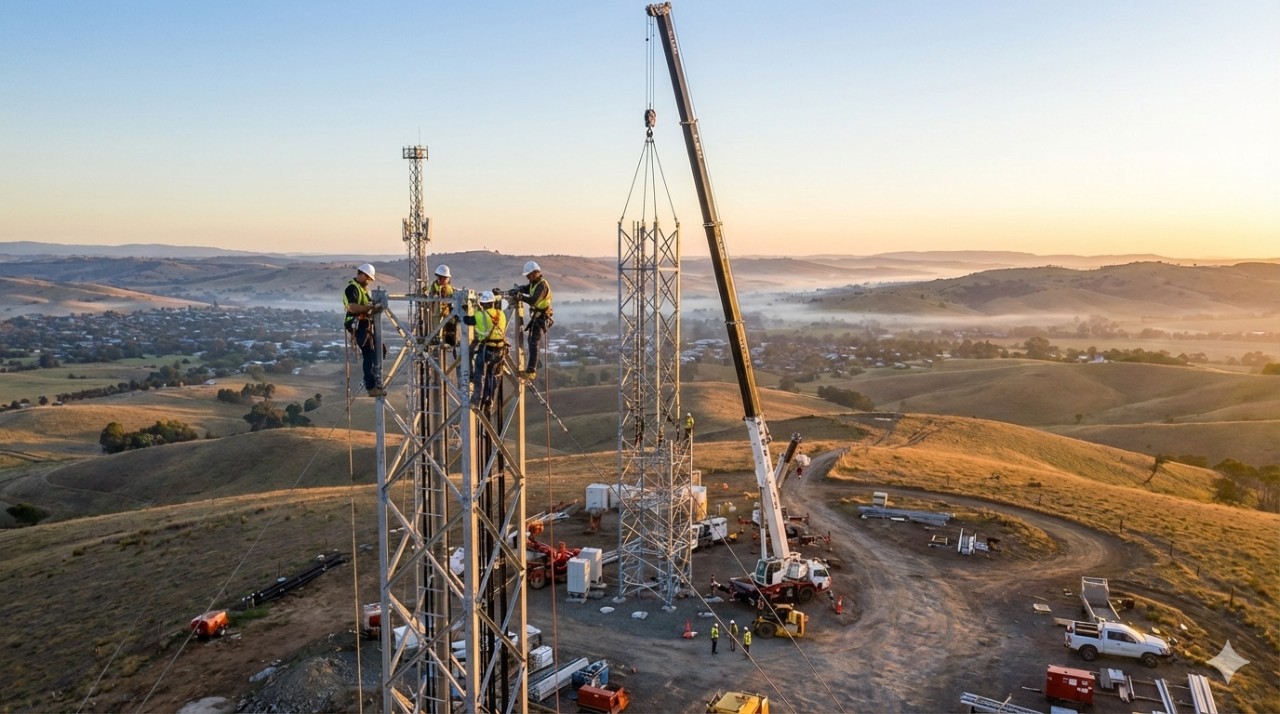
Execution Infrastructure is composed of three core layers.
However, its true power lies not in the layers themselves,
but in how they interact to form a continuous operational loop.
3.1 Execution Data Layer — The Awareness System
This layer enables the organization to “see”.
Not at the level of reports,
but at the level of real-time execution.
It captures:
- task progress as it happens
- operational status across teams
- interactions between stakeholders
- signals from the field
The defining characteristic of this layer is:
👉 data is generated during execution, not after completion
Without this layer:
👉 the organization operates without visibility
3.2 Decision Layer — The Transformation System
This layer converts data into decisions.
It defines:
- what constitutes a problem
- when intervention is required
- who is responsible
- what actions should be triggered
Unlike traditional management:
👉 decisions are no longer purely human-dependent
They are:
- structured
- systemized
- and increasingly automated
3.3 Action Layer — The Execution System
This is where decisions become reality.
It includes:
- task activation
- resource allocation
- workflow coordination
- progress tracking
The critical requirement of this layer is:
👉 actions must feed back into data
Meaning:
- every action generates new data
- which continuously updates the system
👉 This creates a closed-loop execution system
4. From Fragmentation to Integration
Most organizations today do not lack tools.
They lack integration.
A typical enterprise operates with:
- project management tools
- financial systems
- communication platforms
- spreadsheets
However:
- data remains siloed
- decisions are disconnected
- execution lacks continuity
Execution Infrastructure addresses this by:
👉 creating a unified system where all components are interconnected
5. The Maturity Model of Execution

Organizations evolve through distinct stages.
They do not become autonomous overnight.
Level 1 — Manual Organization
Operations rely on spreadsheets and manual coordination
Level 2 — Digitized Organization
Software tools exist, but remain fragmented
Level 3 — Connected Organization
Data begins to flow across systems
Level 4 — Data-Driven Organization
Decisions are informed by real-time data
Level 5 — Autonomous Organization
Systems operate with minimal manual intervention
Execution Infrastructure is the backbone that enables this progression.
6. Execution Infrastructure in Construction
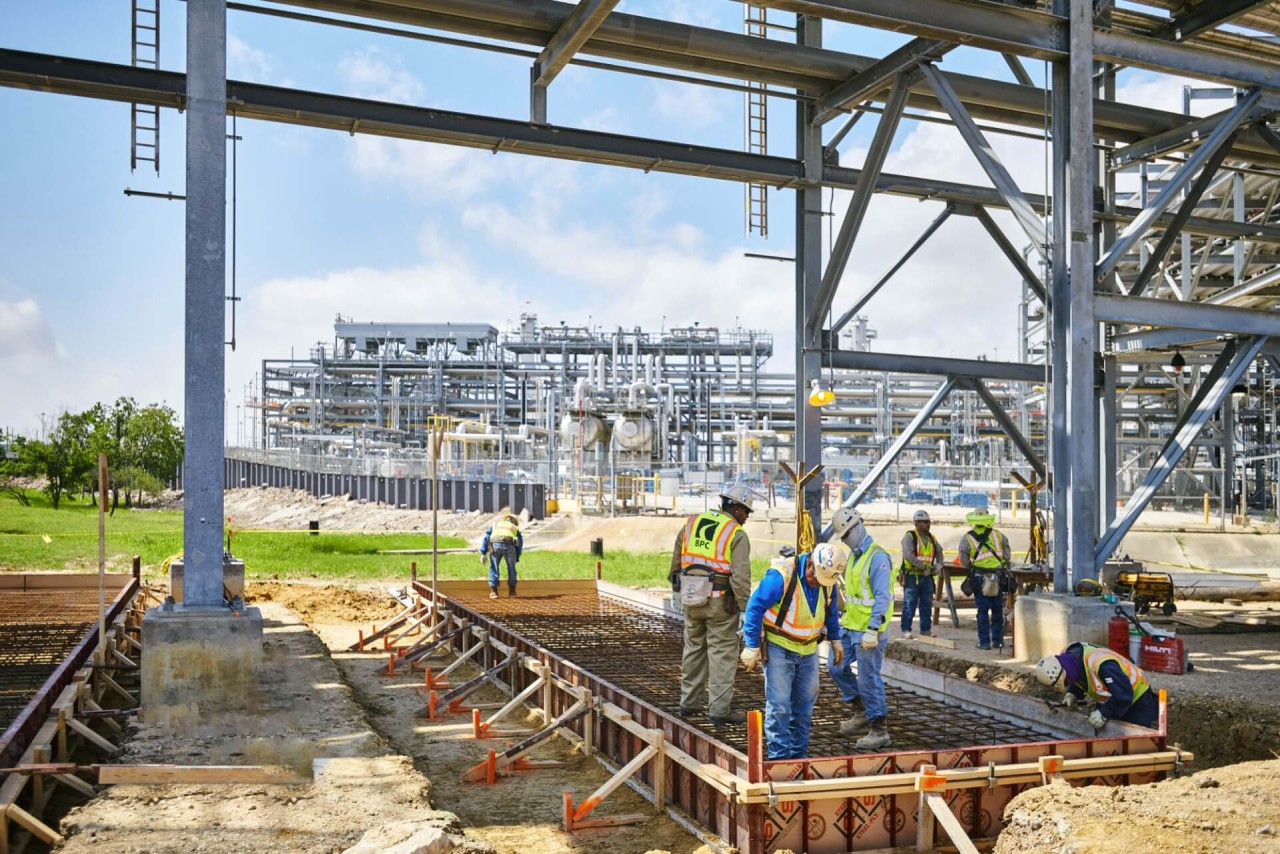
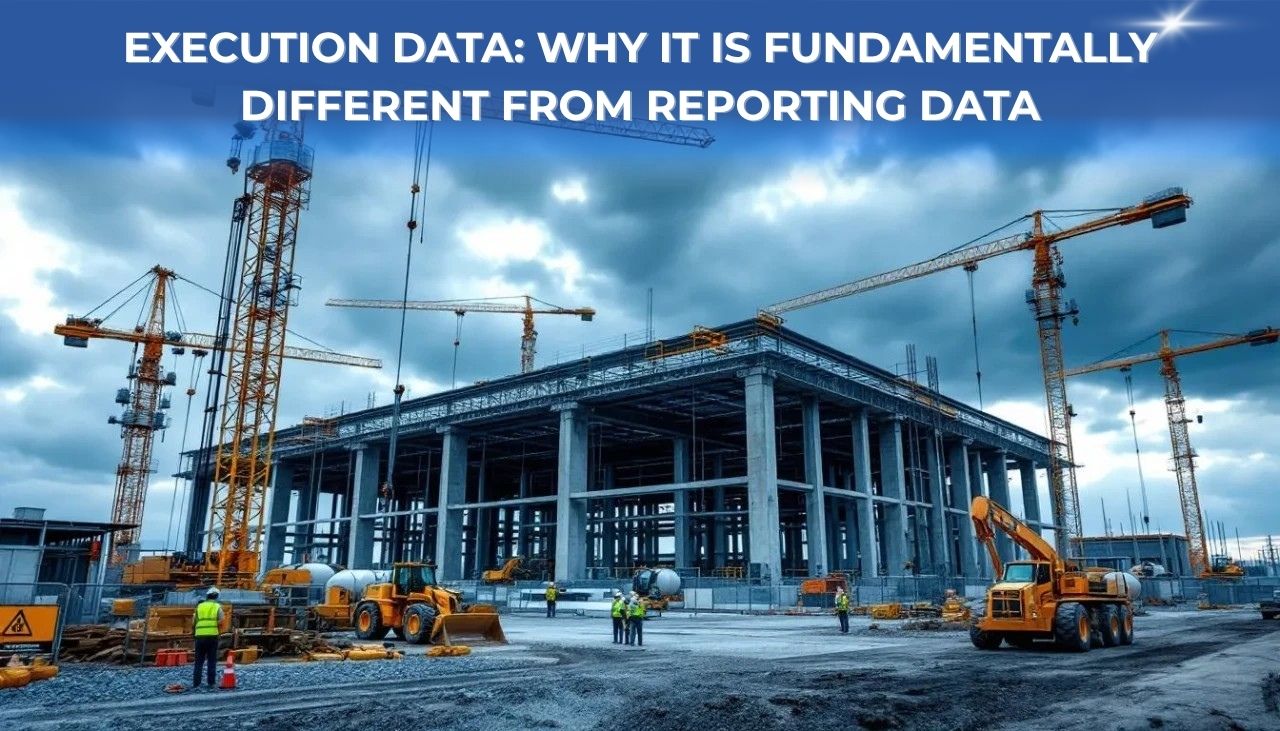
Few industries illustrate the execution gap more clearly than construction.
Construction projects are:
- multi-layered
- distributed across locations
- dependent on real-time coordination
- highly sensitive to delays and cost overruns
In traditional models:
- information arrives late
- decisions are delayed
- problems are identified after impact
Execution Infrastructure transforms this:
- real-time site data provides immediate visibility
- delays are detected early
- costs are directly linked to execution
- coordination becomes continuous
7. Execution Infrastructure as a Competitive Advantage
Execution Infrastructure is not merely an operational tool.
It is a strategic capability.
Organizations with strong execution infrastructure:
- respond faster
- make more accurate decisions
- maintain tighter operational control
Organizations without it:
- react too late
- operate with limited visibility
- struggle to scale effectively
Over time, this difference compounds.
👉 Execution becomes a source of sustained competitive advantage
8. From Strategy to Outcomes
Strategy defines direction.
Execution creates value.
Execution Infrastructure serves as the bridge between:
- intention and action
- planning and reality
- data and results
It transforms:
👉 “what should be done”
into
👉 “what is actually happening”
Conclusion
In the age of AI, organizations are not lacking data.
They are not lacking tools.
They are not lacking strategic intent.
What they lack is:
a system capable of continuously converting data into action in real time
That system is:
👉 Execution Infrastructure
Only with this foundation can organizations:
- control operations
- execute strategy effectively
- and evolve toward Autonomous Organizations
Đỗ Hữu Binh
CEO, ISOFT
This article is part of a professional series analyzing construction project management and cost control strategies.
© 2026 Đỗ Hữu Binh. All rights reserved.
Any citation or reuse of this content must clearly state the source and author.