
How Does a Construction Project Really Operate from A to Z
When people look at a construction project from the outside, many assume construction is relatively straightforward.
There is a design. There is a schedule. There are workers and materials. The project simply follows the plan until completion.
But reality is far more complicated.
Behind every construction project exists an extremely complex operational system involving:
- hundreds of people
- thousands of tasks
- multiple subcontractors
- continuous material flows
- constant coordination
- ongoing decisions
- countless daily issues
And one of the most important realities is this:
Construction projects rarely fail because they lack plans.
Most projects begin losing control because:
- coordination gradually breaks down
- information becomes delayed
- tasks start waiting for one another
- issues are not resolved fast enough
- reality on site slowly diverges from the original plan
To truly understand modern construction management, we must first understand:
how a construction project actually operates in real life.
https://isoftco.com/en/why-project-reports-always-look-correct-while-reality-is-already-failing/1. A Construction Project Does Not Begin with Construction
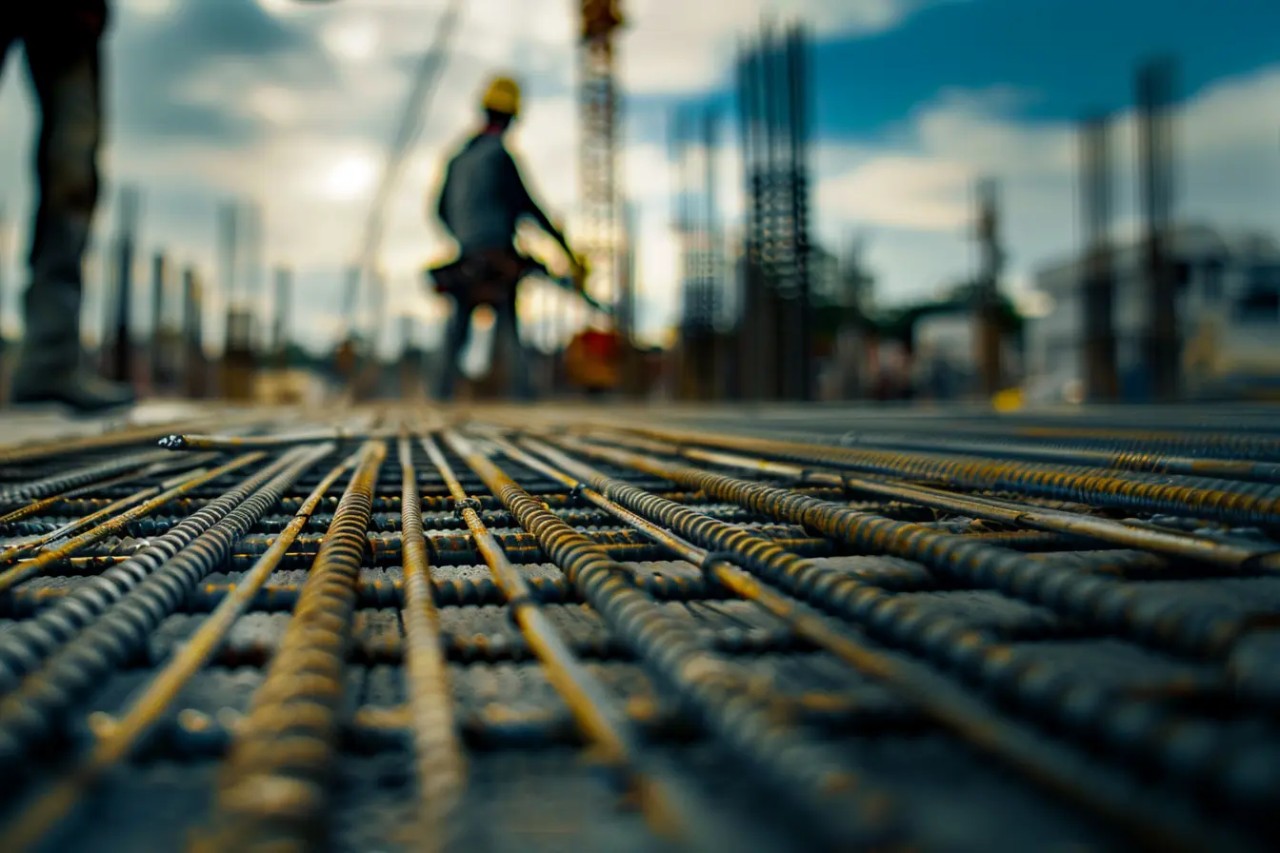
Many people think a project starts when physical construction begins.
In reality, the project starts much earlier during the preparation phase.
This includes:
- overall planning
- work sequencing
- schedule development
- subcontractor selection
- manpower preparation
- material planning
- equipment allocation
- budget preparation
- legal documentation
- execution organization
This phase is critically important.
Because many future project problems actually originate from:
- unrealistic schedules
- poor work sequencing
- unclear dependencies
- insufficient preparation
- inaccurate resource assumptions
Yet many companies underestimate this stage.
https://isoftco.com/en/when-does-a-construction-project-actually-start-falling-behind/2. Once Construction Starts, Workflow Becomes Everything

After mobilization, many companies focus heavily on:
- schedules
- budgets
- completed quantities
But the real operational heart of a project is:
whether work continues moving smoothly.
A healthy project is one where:
- teams flow continuously from one activity to another
- materials arrive at the right time
- equipment is available when needed
- issues are resolved quickly
- decisions do not remain stuck
- work does not stop waiting unnecessarily
In other words: the project must continuously move forward.
The moment workflow begins breaking, the entire system starts losing rhythm:
- crews begin waiting
- productivity drops
- delays spread
- costs increase
- coordination becomes chaotic
This is why projects do not truly operate through schedules alone.
They operate through:
continuous operational flow.
https://isoftco.com/en/how-much-does-one-day-of-project-delay-really-cost/3. Site Reality Changes Every Single Day
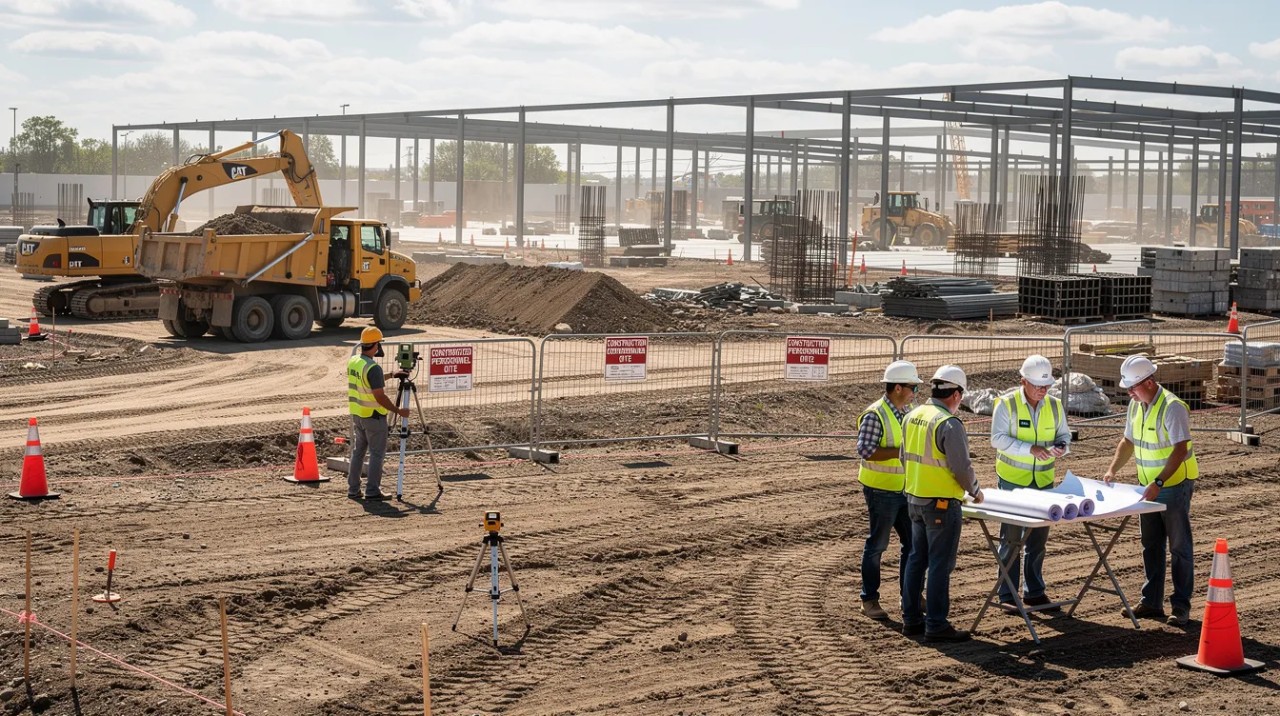
One of the biggest misconceptions in construction management is believing projects follow plans exactly as designed.
In reality, site conditions constantly change:
- manpower changes
- material conditions change
- weather changes
- design revisions appear
- technical issues emerge
- site conflicts occur
- owner requirements evolve
Construction projects are living operational systems.
This creates an important reality:
The original plan is only the starting point.
Real management capability depends on:
- how quickly problems are identified
- how fast teams coordinate
- how effectively decisions are made
- how flexibly the system adapts
This is why two companies can start with the same schedule, yet end with completely different outcomes.
4. Construction Projects Operate Through Coordination
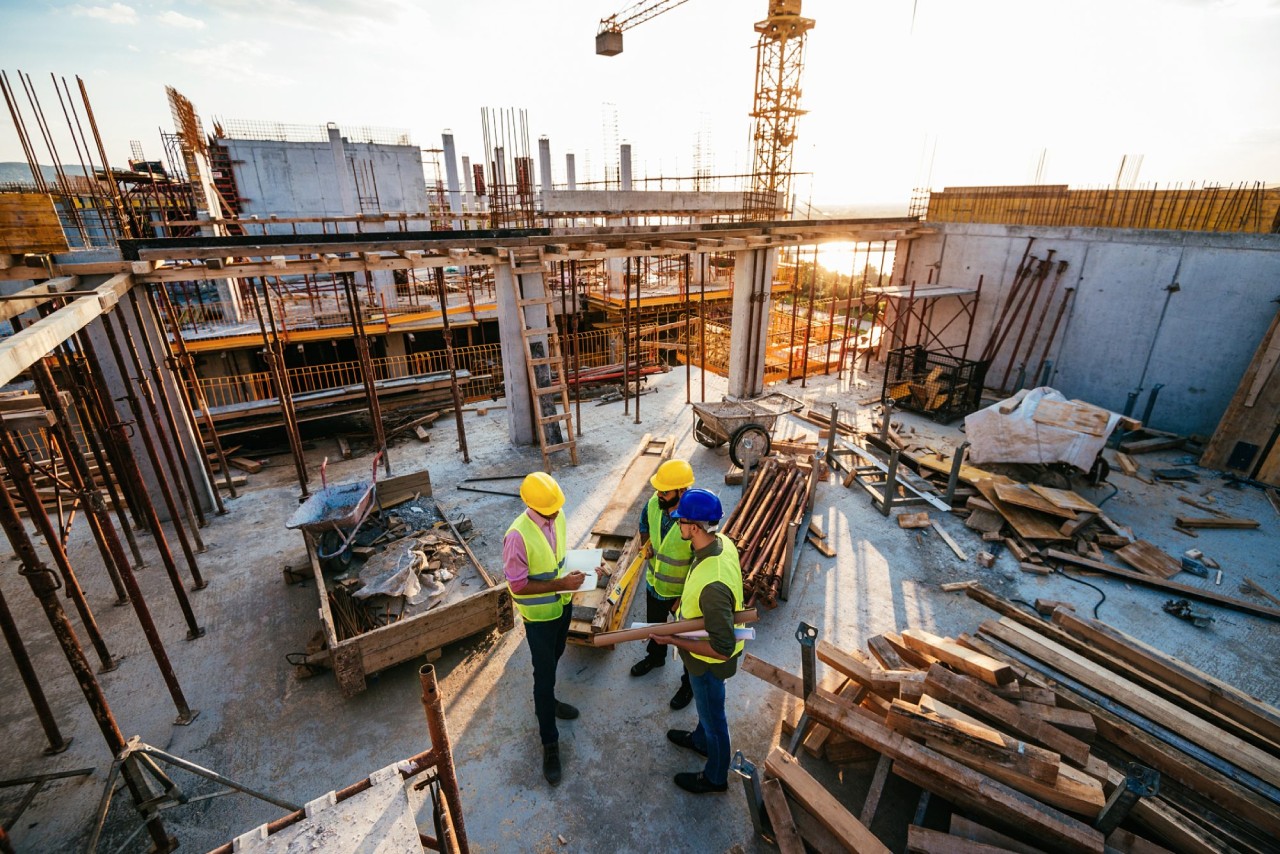
Many people believe construction management is mostly about controlling work.
But in reality, construction management is primarily:
coordination management.
Every project contains:
- owners
- consultants
- project management teams
- subcontractors
- procurement teams
- quality teams
- site supervisors
- finance teams
- safety teams
And all of them depend on each other.
For example:
- MEP teams depend on structural completion
- finishing teams depend on waterproofing
- procurement depends on execution schedules
- payments depend on approvals
- inspections depend on documentation
One delayed link can affect the entire chain.
This is why many project failures do not come from one massive mistake.
They come from:
many small coordination breakdowns accumulating over time.
5. Projects Begin Losing Control When Work Starts Waiting
This is one of the earliest warning signs.
At first:
- materials are delayed slightly
- approvals take longer
- teams wait for access
- inspections get postponed
- drawings arrive late
Individually, these issues seem small.
But as waiting points increase, the project gradually loses operational rhythm.
And once rhythm is lost:
- productivity falls
- delays spread
- costs rise
- confusion increases
- meetings multiply
This is how many projects slowly drift away from the original plan.
6. Construction Projects Are Actually Continuous Problem-Solving Systems
Many people think construction management is mainly:
- schedule tracking
- cost control
But real projects operate through:
continuous issue resolution.
Every single day includes:
- technical conflicts
- missing materials
- workforce shortages
- coordination problems
- site changes
- quality issues
- safety concerns
Healthy projects are not projects without problems.
Healthy projects are projects where:
problems are identified early and solved quickly.
This is a major difference.
7. Most Cost Overruns Come from Hidden Productivity Loss
Large project losses rarely come from one catastrophic mistake.
Most losses come from:
gradual productivity decline.
For example:
- crews waiting
- rework
- interrupted workflow
- delayed decisions
- equipment idle time
- material disruptions
Each issue appears small individually.
But over months, they slowly destroy project efficiency.
This is why many projects do not collapse immediately, yet profitability continuously erodes over time.
8. Construction Projects Operate Through Decision Speed
Every project generates constant decisions:
- approvals
- issue resolutions
- design clarifications
- coordination adjustments
- resource allocations
When decisions slow down:
- work stops
- crews wait
- delays spread
- costs increase
This is why many projects are not truly weak in execution.
They are weak in:
management response speed.
The slower the organization reacts, the harder projects become to control.
9. Why Many Companies Still Lose Control Despite Having Reports
Most reporting systems focus mainly on:
- summary progress
- overall percentages
- financial numbers
- high-level KPIs
But the real operational health of a project exists inside:
- workflow continuity
- coordination efficiency
- issue resolution speed
- waiting points
- operational bottlenecks
- decision execution
These realities change daily on site.
If companies cannot see them early, they will always react too late.
10. The Future of Construction Management Will Be Real-Time Operational Visibility
The construction industry is entering a major transformation.
In the past, projects were managed mainly through:
- reports
- meetings
- experience
- intuition
But future construction leaders will succeed through:
- earlier visibility
- faster bottleneck detection
- better operational understanding
- real-time coordination
- faster issue resolution
The strongest companies will not be the ones with the most reports.
They will be the ones capable of seeing operational reality the earliest.
Đỗ Hữu Binh CEO, ISOFT
This article is part of a professional series analyzing construction project management and cost control strategies.
© 2026 Đỗ Hữu Binh. All rights reserved. Any citation or reuse of this content must clearly state the source and author.