
When Does a Construction Project Actually Start Falling Behind?
In the construction industry, almost every organization has experienced this moment.
A project meeting begins normally, but suddenly everyone starts to realize that something is wrong:
- timelines are slipping
- activities are overlapping
- coordination becomes chaotic
- and pressure begins spreading across the entire project
At first, the delay appears manageable.
“A few days behind schedule is normal.” “We can recover by increasing manpower.” “We’ll work overtime and catch up.”
But only a few weeks later:
- the schedule becomes unstable
- teams begin waiting for one another
- costs start increasing rapidly
- and nobody is entirely certain about the real status of the project anymore
What makes this situation interesting is that:
by the time organizations finally “see” the delay, the project has often been falling behind for a very long time.
Most organizations assume that:
a project starts falling behind when construction progress slows down.
But reality is very different.
Projects rarely become delayed suddenly.
Instead, delays usually begin with a series of small misalignments:
- unrealistic planning
- fragmented information
- delayed decisions
- or minor issues that were never addressed early enough
At first, these issues seem insignificant.
But over time, they accumulate, interact, and eventually evolve into:
- schedule overruns
- cost escalation
- operational chaos
- and sometimes full-scale project crises
In other words:
project delays are not isolated events. They are the result of accumulated small failures over time.
1. Projects Start Falling Behind When Plans No Longer Reflect Reality
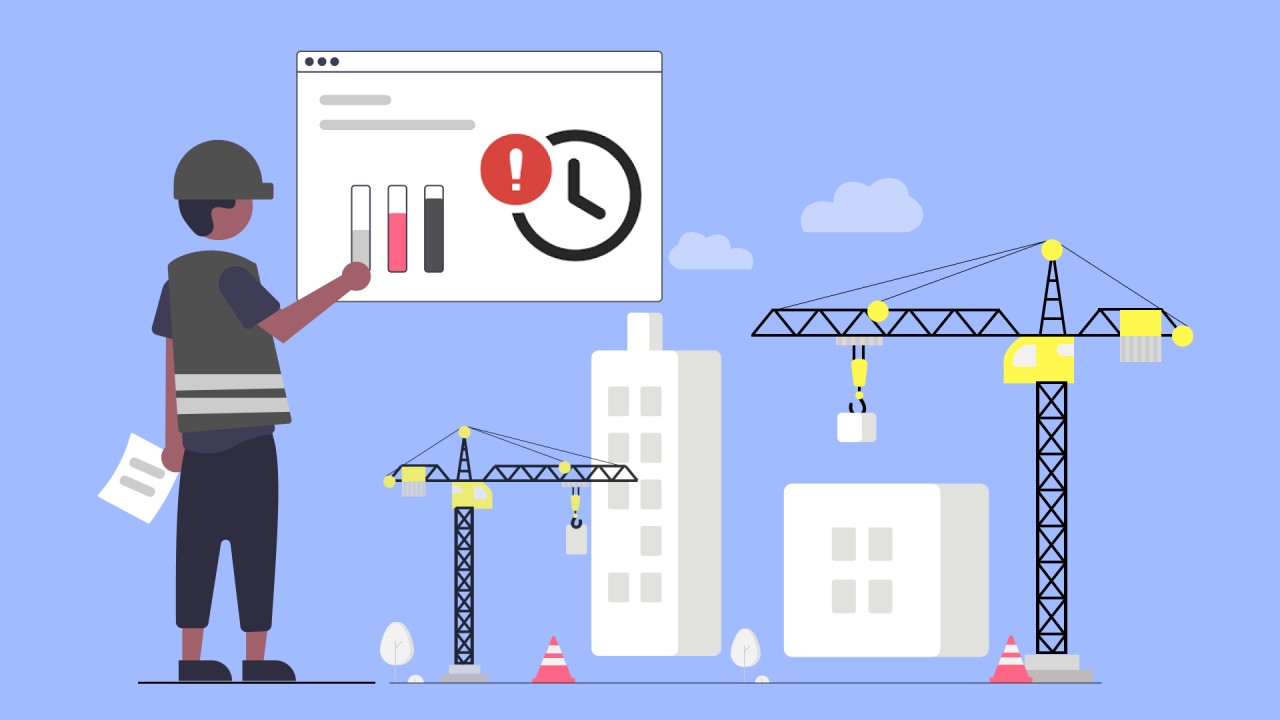
Many organizations spend weeks — sometimes months — creating project plans.
On paper, everything looks impressive:
- detailed timelines
- structured milestones
- carefully allocated resources
- sophisticated scheduling systems
However, one critical question is often ignored:
“Does this plan reflect operational reality — or merely expectations?”
This is where many project delays truly begin.
In practice, project schedules are often built around:
- executive expectations
- client pressure
- contractual commitments
- or optimistic assumptions
Meanwhile:
- operational risks are underestimated
- dependencies between activities are poorly modeled
- field execution capacity is not realistically evaluated
This creates a dangerous illusion:
? the project appears organized in the meeting room ? but becomes extremely difficult to execute in reality
At that moment:
the project has already begun falling behind — even before execution starts.
The organization simply does not realize it yet.
https://isoftco.com/en/how-much-does-one-day-of-project-delay-really-cost/2. Projects Start Falling Behind When Information Becomes Fragmented

Construction projects involve many stakeholders:
- investors
- consultants
- general contractors
- subcontractors
- supervisors
- field teams
Each stakeholder often operates with:
- different spreadsheets
- separate reporting systems
- inconsistent updates
- and sometimes entirely different versions of reality
As a result:
- information becomes disconnected
- data loses consistency
- progress visibility decreases
- decisions are made using incomplete information
This is where small execution gaps begin to emerge.
For example:
- the field team changes execution priorities, but management is unaware
- material delays occur, but schedules are not updated
- revised drawings exist, but site teams have not received them
Initially, these issues appear harmless.
Just a few hours of delay. Just a small adjustment. Just a minor coordination issue.
But in complex projects:
small misalignments tend to amplify over time.
One unresolved issue can quickly trigger:
- scheduling conflicts
- resource bottlenecks
- cascading delays across multiple activities
Eventually, organizations realize that:
- timelines no longer match reality
- teams begin interfering with one another
- project coordination becomes reactive instead of controlled
But by then:
? the project has already been falling behind for quite some time.
3. Projects Start Falling Behind When Leadership Cannot See Operational Reality

One of the most dangerous paradoxes in project management is this:
the people making decisions are often the last people to see reality clearly.
Information from construction sites typically passes through multiple layers:
- field engineers
- site managers
- project managers
- operational departments
- executive leadership
At every layer:
- information is delayed
- filtered
- simplified
- or sometimes unintentionally “beautified”
This creates a growing gap between:
? operational reality and ? executive perception
As a result:
- reports still appear acceptable
- while the project itself is already becoming unstable
And when leadership operates using outdated visibility:
decisions inevitably become slower than reality itself.
This is the moment projects begin losing control structurally.
4. Projects Start Falling Behind When Small Problems Are Not Solved Early
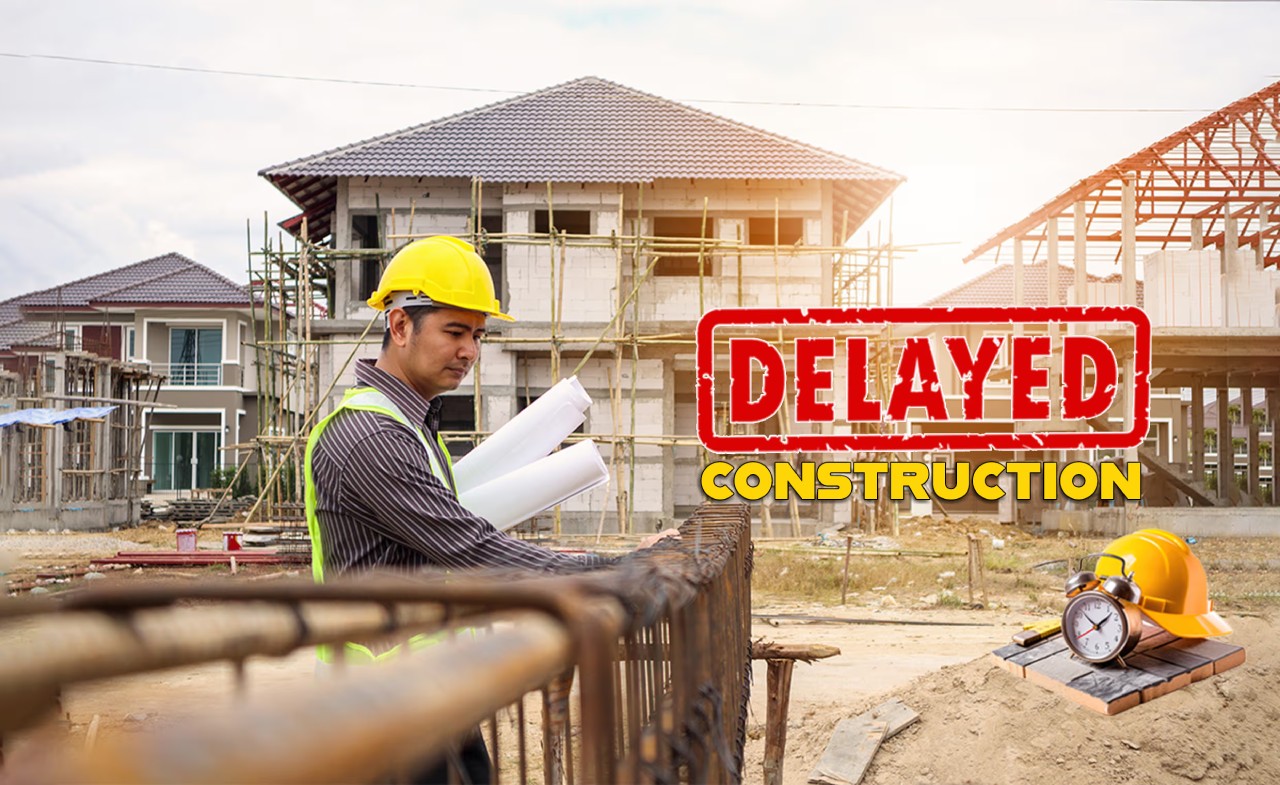
No project collapses because of one massive issue appearing overnight.
Most project crises begin with:
- small delays
- small mistakes
- small warnings that were ignored
Examples include:
- material delivery delayed by one day
- inspection schedules postponed
- revised drawings arriving several hours late
- key personnel suddenly unavailable
If organizations can:
- detect issues early
- respond quickly
- coordinate effectively
? these situations remain manageable.
However, when systems cannot:
- detect problems in real time
- generate early warnings
- support rapid coordination
small problems begin connecting with one another.
Eventually, organizations are no longer managing isolated issues.
They are managing:
an entire execution system that has started losing synchronization.
5. The Most Dangerous Problem Is Discovering Delays Too Late
This is the real issue.
Most organizations do not lack:
- skilled people
- experience
- commitment
- hard work
What they lack is:
the ability to see problems early enough.
By the time delays become visible:
- schedules are already distorted
- costs have already increased
- resources are already conflicting
- and recovery becomes significantly more expensive
At this stage, organizations often react by:
- increasing overtime
- adding manpower
- conducting endless meetings
- aggressively pushing execution
But these actions address consequences.
Not root causes.
6. The Real Problem Is Not Speed
Many organizations believe that staying on schedule simply requires “working faster.”
But reality is far more complex.
The true challenge is not speed itself.
It is:
the ability to see, coordinate, and govern execution in real time.
An organization does not need to be the fastest executor to remain under control.
It only needs the ability to:
- detect issues early
- understand root causes quickly
- and make timely decisions
Meanwhile, even highly aggressive organizations can fail if:
- information is inaccurate
- systems remain disconnected
- decisions move too slowly
- operational visibility is limited
7. Projects Do Not Fall Behind Because of Construction Alone — But Because of Management Systems
This is the part many organizations fail to recognize.
Construction sites are merely where consequences become visible.
The true causes usually originate from:
- how data is organized
- how information flows
- how decisions are executed
- and how systems respond to change
In other words:
project delays are not simply execution problems. They are management system problems.
Conclusion
A project does not start falling behind when construction slows down.
It begins much earlier:
- when planning disconnects from reality
- when information becomes fragmented
- when leadership loses operational visibility
- and when small issues are ignored for too long
Strong organizations are not those that never face problems. They are the organizations that see problems before they become crises.
If your organization is struggling with:
- real-time project visibility
- early risk detection
- coordination between field teams and leadership
- faster and more accurate decision-making
? the issue may not be your people.
? The issue may be that your organization still lacks a system capable of seeing execution in real time.
Đỗ Hữu Binh CEO, ISOFT
This article is part of a professional series analyzing construction project management and cost control strategies.
© 2026 Đỗ Hữu Binh. All rights reserved. Any citation or reuse of this content must clearly state the source and author.